The last
Governor-General
From 21 June 1948 to 26 January 1950 the head of state of the Dominion of India was a retired lawyer from Salem. When his term ended, so did the office.
- Sworn in
- 21 June 1948
- Predecessor
- Lord Mountbatten
- Office ended
- 26 January 1950, on the commencement of the Constitution
- Succeeded by
- Rajendra Prasad, as President of India
A province split in two
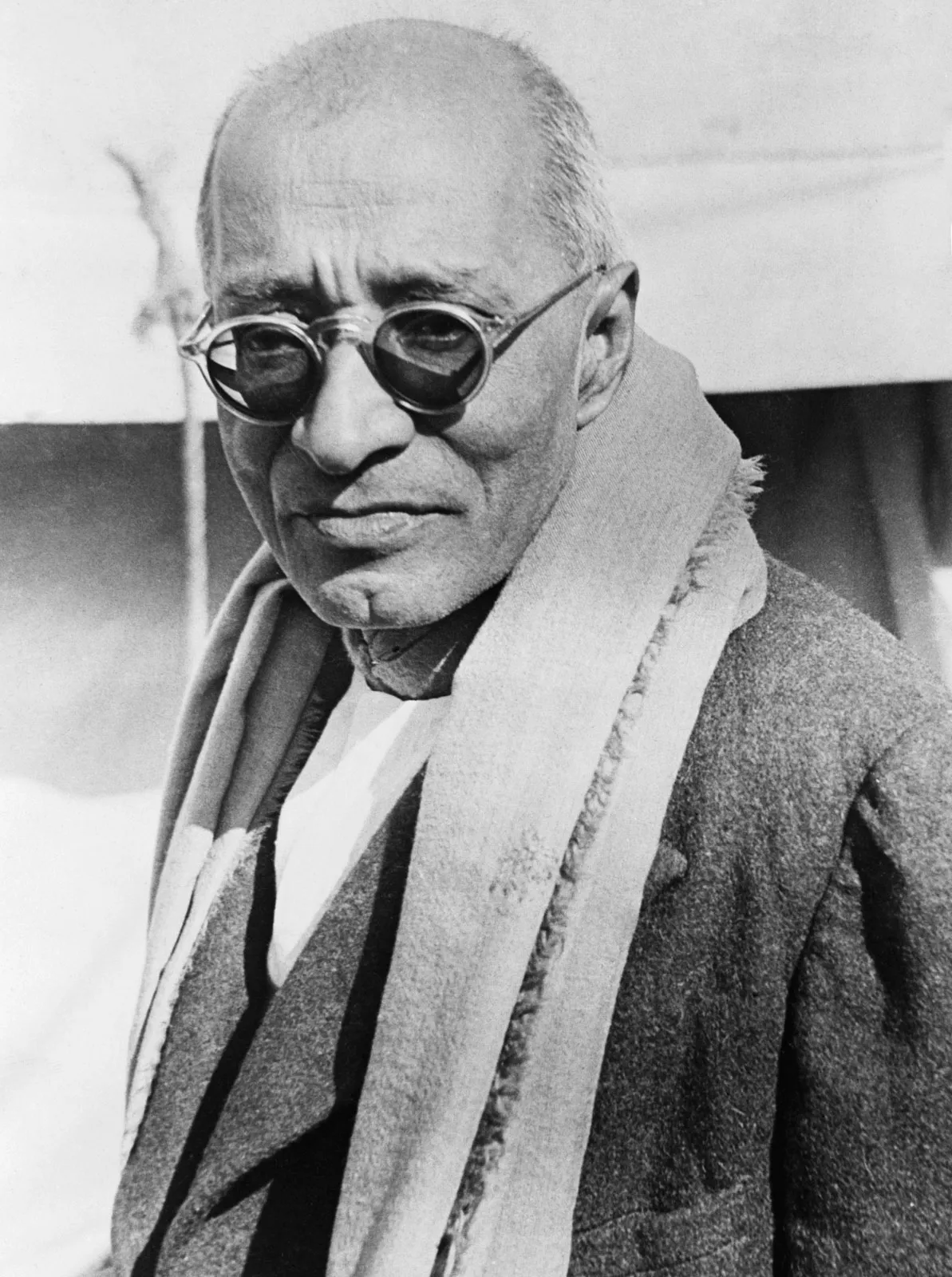
Rajaji’s constitutional career after independence began not in Delhi but in Calcutta. He was sworn in as Governor of West Bengal on 15 August 1947, taking charge of a province that had just been partitioned, that was absorbing refugees in enormous numbers, and that had seen appalling communal violence in the preceding year.
The Governor of a province in the new Dominion was a constitutional head, not an executive; his instruments were persuasion, calm and the authority of the office. Rajaji was widely credited with using them well during a dangerous year, and the reputation he made in Bengal is part of why he was chosen for the higher office.
From Crown to Republic
The Indian Independence Act 1947 created two Dominions. India was self-governing from the first day, but its formal head of state remained the King, represented by a Governor-General who acted on the advice of Indian ministers. The Constituent Assembly meanwhile wrote a constitution, adopting it on 26 November 1949 and bringing it into force on 26 January 1950.
On that morning the Dominion became a republic, the office of Governor-General ceased to exist, and Rajendra Prasad was sworn in as the first President of India. Rajaji handed over and went home.
What this diagram does and does not claimThe transition from Dominion to Republic was the work of the Constituent Assembly over nearly three years. Rajaji held the ceremonial office during part of that period; he did not bring the change about, and this visual is a summary of a constitutional sequence, not an account of his personal agency.
Why Rajaji
Mountbatten had stayed on after independence as the Dominion’s first Governor-General, an arrangement always understood to be temporary. When he left in June 1948 the government had to decide who should hold a ceremonial office that would exist for less than two more years.
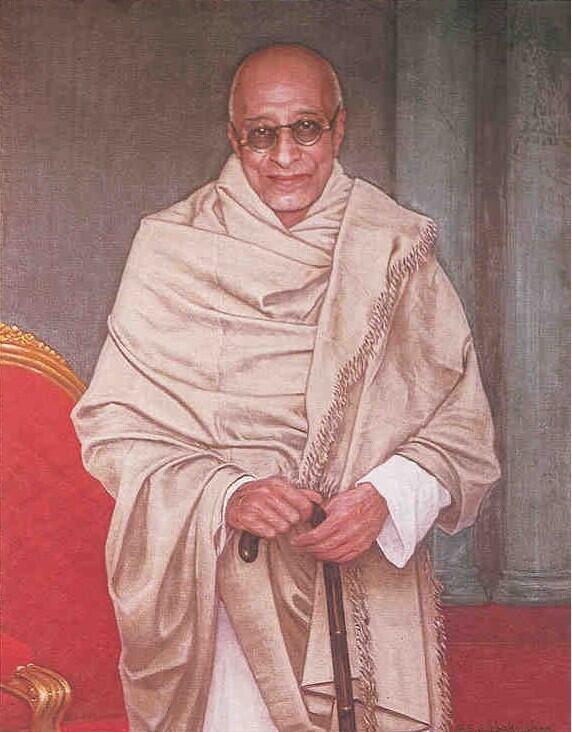
Rajaji had the qualifications: a lifetime in the national movement, recent experience as a governor, no faction of his own to build, and a legal mind for a post whose whole content was constitutional propriety. The appointment was not universally welcomed — his opposition to Quit India in 1942 was six years old and not forgotten — but it was made, and he was sworn in on 21 June 1948.
He treated the office narrowly and deliberately. The Governor-General acted on ministerial advice; he did not seek to govern, did not build a public platform out of the residence, and confined himself to the constitutional functions of the post while Nehru’s government did the governing.
Twenty months
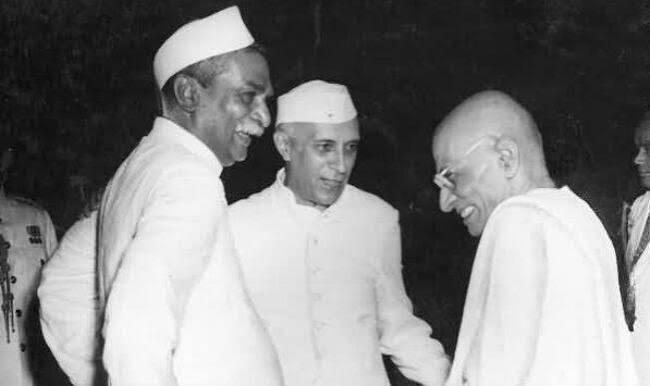
His term covered a crowded period: the final integration of the princely states, including the accession of Hyderabad in September 1948; the beginning of the Kashmir dispute with Pakistan; the resettlement of millions of refugees; and the last stages of constitution-making.
The decisions in all of these belonged to the cabinet. What the Governor-General supplied was the constitutional continuity that let a new state behave, from its first year, as though its forms were already settled. That was the point of the office, and it is the reasonable measure of how he filled it.
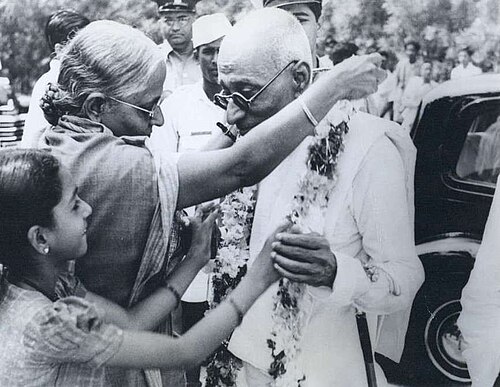
When the office ended, he did not retire. He joined Nehru’s cabinet, first as a minister without portfolio and then, after Vallabhbhai Patel’s death, as Union Home Minister from December 1950 until October 1951 — and from there he went back to Madras, and eventually into opposition.